Jade Segre, LMSW
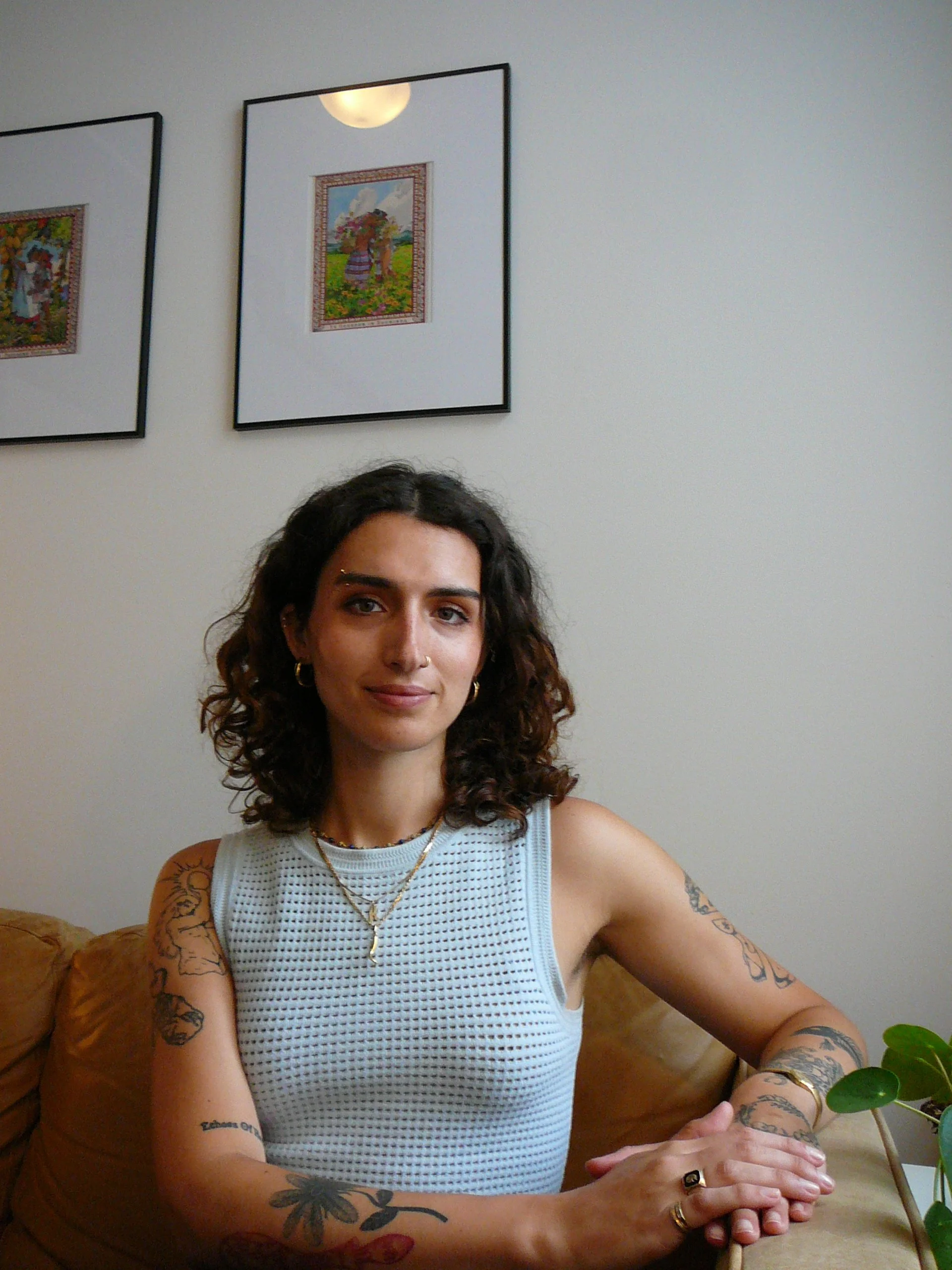
Jade Segre, LMSW (she/her)
Offerings
Group Therapy
Specialties
Relationship Issues and Infidelity
Parents of Trans Kids
Alternative Lifestyles
Style
Observant and insight-oriented
Nonjudgmental
Patient
Direct
Serious but warm
Approach
Psychodynamic
Relational
Analytically informed
Out of The Office
Avid reader and bike-rider
Lover of the beach and New York City’s parks
Arts and culture enthusiast
Crossword puzzler
JADE's Professional BackgroundJade got her undergraduate degree in Environmental Studies at Tufts University where she took interdisciplinary courses in literature, film and visual studies, anthropology, international relations, and political science. In this time, Jade began to develop the skills necessary to become a therapist - the ability to sit with narratives, to interpret and make meaning, and to see political and social structures in the world around her.
After graduating, Jade worked in direct legal services, helping low-income New Yorkers obtain legal assistance with immigration and domestic violence, legal name changes, workplace discrimination, and eventually housing and evictions. Through her legal advocacy, she learned to sit with people in the hardest moments of their lives. Whether it was in the office or courthouse, she learned to create space and find stillness, allowing her clients to share their fears and pains, to sift through and hold the trauma of that experience together.
Eventually, Jade found her way to Hunter College’s Silberman School of Social Work, where she developed her skills as a psychotherapist with a concentration in Gender and Sexuality. She specialized in psychoanalytic theory and developed a deep reverence for and curiosity towards the process of psychoanalysis. In that time, she interned at Express Yourself Therapy, a queer psychotherapy and sex therapy practice, which allowed her to develop skills working with individuals, couples, and groups.
Jade is continuing her work now at Beth Gladstone Therapy. In her work with patients she helps people to create meaningful change in the present by understanding the past. She knows people come to therapy when they are seeking to disrupt patterns in their life: patterns of conflict, of disconnection and loneliness, of shame, and of fear. They want to feel more connected to those around them and, more importantly, to themselves. Through interrogating cycles from the past and their manifestations in the present, she helps her patients to build a bridge to new ways of living and being, to new possibilities. She understands the rigor of this work, so she is patient and meets people where they are at, nonjudgmentally, while still being direct and challenging.